

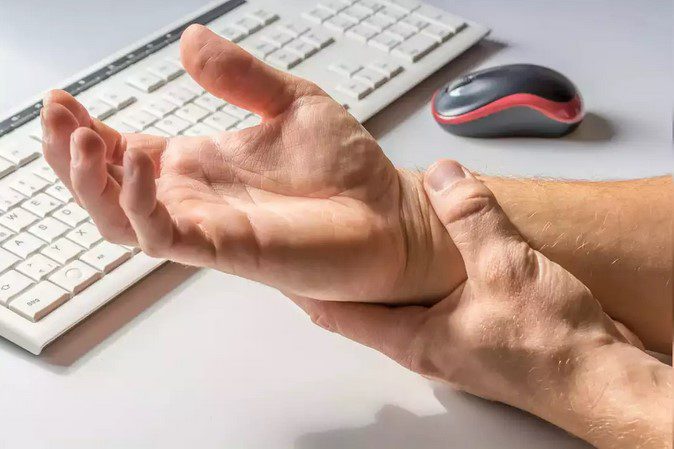
If you’ve searched for an ergonomic keyboard, an ergonomic mouse, or a monitor arm recently, you’ve probably noticed the same problem everyone runs into: there are dozens of options, strong opinions everywhere, and no way to know what will actually feel right for your body until you’ve used it for a full day at your own desk.
That’s the gap Ergo Experts fills for people across Newcastle, Lake Macquarie, the Central Coast and the Greater Hunter Region. As a physiotherapist with 20+ years in workplace injury rehabilitation, I don’t just sell ergonomic equipment. I assess how you actually sit, type and move, then let you trial the right equipment at your own desk before you buy it.
Below is a practical guide to the ergonomic equipment people are searching for most right now, what each product actually solves, and how a trial period removes the guesswork.
Why “try before you buy” matters more than the spec sheet
Every ergonomic product page tells you the same thing: reduced strain, better posture, all-day comfort. What they can’t tell you is whether your wrists, your desk height, and your typing style will get along with that particular design.
A split ergonomic keyboard that fixes one person’s wrist pain can feel foreign and slow to someone else. An input device that’s a revelation for one forearm or shoulder can be the wrong fit for another. The only reliable way to know is to use the equipment in your real work environment, not a showroom, and not a five-minute try at a trade stand.
That’s why every recommendation from Ergo Experts comes with the option to trial the equipment at your desk in Newcastle, Lake Macquarie, the Central Coast or the wider Hunter Region before committing to purchase.
Ergonomic keyboards: split, curved and mechanical options
Standard flat keyboards force your wrists into pronation and ulnar deviation, that inward angle that, over years of full-time typing, contributes to wrist, forearm and shoulder strain. This is one of the most common issues I see in workplace ergonomic assessments across the Hunter.
What to look for in an ergonomic keyboard:
- Split or fixed-split design: lets each hand sit at a more natural, shoulder-width angle
- Negative or adjustable tilt: reduces wrist extension compared with the standard positive-tilt design most keyboards ship with
- Wrist support integration: built-in or paired with a separate support to keep the wrist in a neutral position
If you type for eight or more hours a day, this is usually the single highest-impact piece of equipment you can change.
Ergonomic mice: vertical, trackball and low-profile designs
A traditional mouse holds your forearm in constant pronation (palm-down) for hours at a time. Ergonomic mice address this in a few different ways, and the right one depends on your hand size, grip style and where your discomfort actually shows up:
- Vertical mice: hold the hand in a natural “handshake” position, taking pressure off the forearm and shoulder
- Trackball mice: remove the need to slide the whole arm across the desk, useful for shoulder and elbow issues
- Low-profile or compact mice: reduce wrist extension for people with smaller hands or existing wrist injuries
This is exactly where a trial matters most. The “best” ergonomic mouse on every review site might be completely wrong for your grip.
Monitor arms: getting screen height and distance right
A monitor sitting too low, too high, or too close is one of the most common (and most fixable) contributors to neck and upper back strain. A good monitor arm lets you:
- Bring the top third of the screen to eye level, cutting down on neck flexion
- Put the screen at the correct viewing distance (typically an arm’s length away)
- Free up desk space and easily adjust for sit-stand desk use or shared workstations
- Run dual or triple monitor setups without compromising posture on either screen
For anyone using a laptop as a primary device, pairing a second screen on a monitor arm with a laptop riser and external keyboard and mouse is often the single biggest ergonomic upgrade available.
Beyond keyboards and mice: the rest of the setup
A genuinely ergonomic workstation is a system, not a single product. Depending on what your assessment reveals, this can also include:
- Ergonomic chairs with proper lumbar support and full adjustability
- Sit-stand desks or desktop converters for postural variation through the day
- Footrests for shorter-statured users or those with desks that don’t lower far enough
- Wrist and forearm supports for keyboard and mouse use
- Headsets for anyone spending long hours on calls, to avoid the classic “phone shoulder”
Why a physio-led assessment beats a guess
Buying ergonomic equipment based on online reviews alone means you’re fitting a product to an average body, not yours. A physiotherapist-led assessment looks at:
- Your actual desk, chair and monitor setup, measured against your body dimensions
- Where you’re currently feeling strain, and what’s driving it
- Your specific work tasks: typing, data entry, design work, CAD, customer calls, and so on
- Which equipment will genuinely solve the problem, rather than just being the most talked-about option online
This clinical lens is the main difference between a generic office supplies retailer and an assessment-led ergonomic equipment provider.
Servicing Newcastle, Lake Macquarie, the Central Coast and the Greater Hunter
Ergo Experts works directly with individuals and businesses across:
- Newcastle
- Lake Macquarie
- The Central Coast
- The Greater Hunter Region
- Sydney Region too on request
Because equipment can be trialled on-site at your own desk, you’re never left guessing whether a product will suit you before you’ve committed to buying it.
Ready to fix your setup properly?
If wrist pain, neck strain, or shoulder discomfort is showing up during your workday, don’t start by guessing at online reviews. Get in touch to arrange an ergonomic assessment and trial the right keyboard, mouse, monitor arm or chair at your own desk, with no pressure to buy until you know it works for you.
Contact Ergo Experts to book an assessment or arrange an equipment trial.